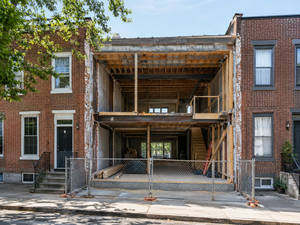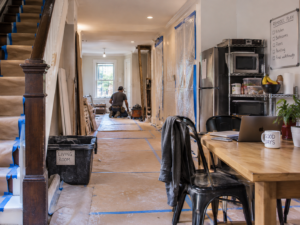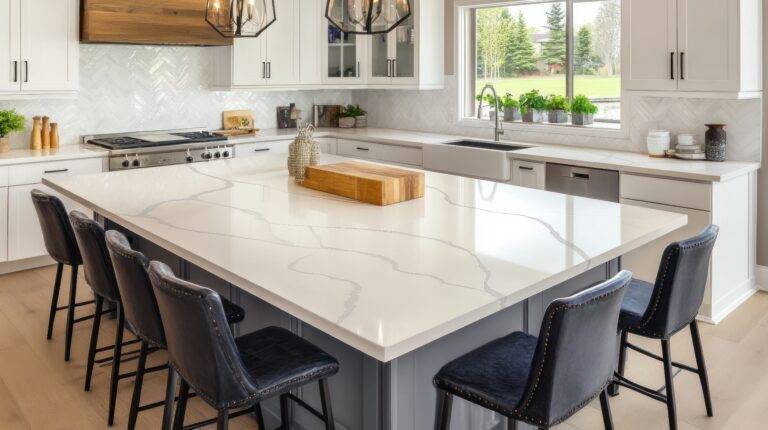
The architectural fabric of Philadelphia is defined by its historic rowhouses. From the brick facades of Queen Village to the vibrant blocks of Fishtown and Northern Liberties, these structures offer incredible character but present distinct structural challenges. When property owners transition these multi-story buildings into modern homes, the process requires an experienced partner. A successful rowhouse renovation demands a deep understanding of interconnected structural systems, party walls, and urban logistics to execute a safe and compliant transformation.
Understanding the Structural Challenges of Shared-Wall Construction
Unlike standalone suburban properties, an urban rowhouse operates as part of an interconnected structural ecosystem. The most critical component is the shared party wall—a multi-story brick or masonry partition that provides lateral stability and load-bearing support for adjacent homes.
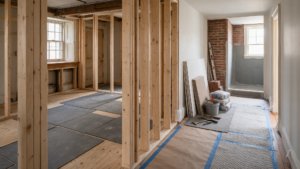
When modernizing a classic layout, homeowners frequently want to eliminate traditional partition walls to maximize natural light and improve spatial flow. However, because these internal walls often support the upper-level floor joists, removing them requires a precise engineering strategy. Improper alterations can induce structural shifting, sagging ceilings, or damage to the adjoining property. Navigating these complexities takes a builder with extensive local structural experience.
Why Structural Safeguards Matter in Philadelphia
Philadelphia building guidelines enforce stringent safety protections for adjacent properties during construction. Under the city’s structural regulations, any major alteration to a shared wall or foundational system requires a rigorous pre-construction survey and monitoring plan.
Working with an experienced general contractor Philadelphia homeowners rely on ensures full compliance with these local safety mandates. Proper shoring and temporary structural bracing protect the structural integrity of your home and your neighbor’s property during heavy structural phases.
Comprehensive Renovation Planning From Framing to Finish
Achieving a seamless interior transformation involves a series of highly coordinated phases. A comprehensive layout modernization includes:
Structural Steel Integration
To create the open-concept first floors popular in South Philly and Port Richmond, heavy timber partitions are replaced with precisely engineered steel I-beams. This redistributes floor loads cleanly to the foundation without compromising lateral support.
Joist Leveling and Subfloor Reinforcement
Older rowhomes often display uneven or sagging floors due to decades of natural settling. Sistering new joists alongside original timber levels the floor planes and strengthens the subfloor structure before high-end finishes are applied.
Mechanical Subsystem Rerouting
Opening up traditional floor plans requires carefully rerouting vertical plumbing stacks, electrical lines, and HVAC ductwork through strategic drop ceilings or wall chases without reducing head height.
Hyper-Local Service Across Historic Neighborhoods
Noam Construction provides premium project management and structural renovation services tailored precisely to the dense urban fabric of Philadelphia. Our experienced crew handles the complex logistics of city builds, from handling tight material staging to respecting local parking restrictions. We safely serve homeowners throughout South Philly, Queen Village, Fishtown, Northern Liberties, and Port Richmond.
Frequently Asked Questions
Do I need a structural engineer for an open-concept rowhouse remodel?
Yes. Removing any internal wall in a Philadelphia rowhouse requires a structural engineer to calculate the load distributions and specify the exact size of the replacement steel beam. This engineering plan is required by the Department of Licenses and Inspections to secure a building permit.
How do you protect the neighbor’s house during structural work?
We implement rigorous shoring and temporary support networks before modifying any load-bearing elements. Additionally, in compliance with local regulations, pre-construction surveys are utilized to document adjacent conditions, and monitoring tools track stability throughout production.
Can you add a vertical addition or a third story to a two-story rowhome?
Yes, additions are possible but depend heavily on your property’s specific zoning classification and a thorough foundational analysis to confirm that the existing masonry can support the increased weight load.
If you are ready to convert your historic property into a masterfully updated modern space, contact our experienced team today to plan your comprehensive [full-home renovation].