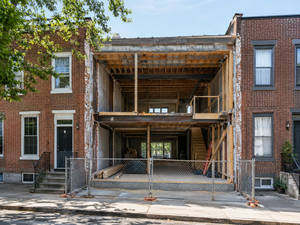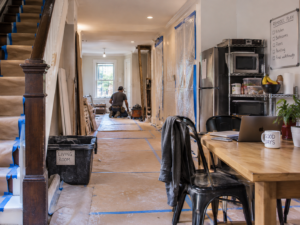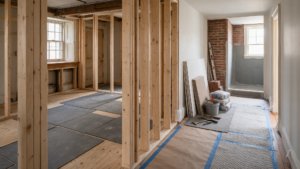
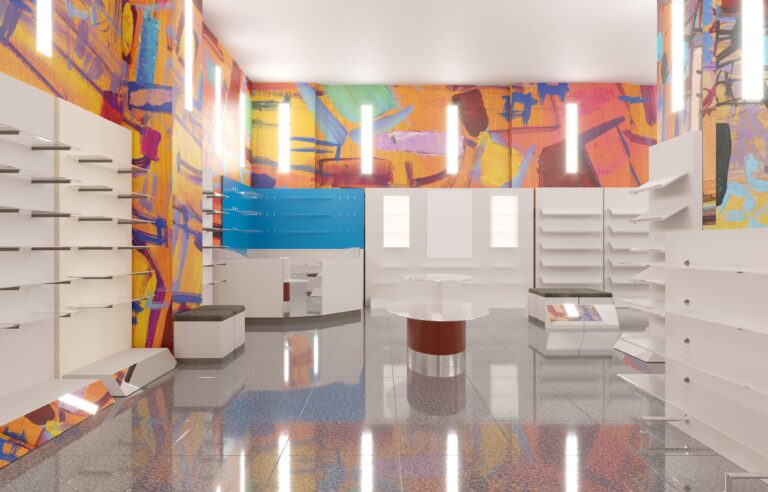
Commercial projects are judged by opening dates, and utility work is one of the easiest places to lose time. A build-out schedule should identify what can stay live, what must be isolated, and who has authority to shut systems down.
Why This Decision Belongs in Preconstruction
Center City and University City tenants may share risers, electrical rooms, mechanical shafts, fire-protection systems, loading areas, and corridors with other occupants.
What Local Properties Change
Map panels, plumbing shutoffs, HVAC zones, fire-safety interfaces, data, security, and equipment serving neighboring spaces. Confirm building-management notification windows and restoration procedures before demolition.
What to Verify Before Work Starts
Rough inspections should be tied directly to the construction schedule. A missed plumbing, electrical, mechanical, or fire-safety inspection can hold drywall, ceilings, cabinetry, and finishes behind it.
How the Finished Work Should Perform
Closeout also belongs in the plan: system testing, labels, access panels, owner training, punch work, and final cleaning determine whether the business can reopen smoothly.
Frequently Asked Questions
Can a business remain open during renovation?
Sometimes, with phasing, containment, off-hour work, and a plan that preserves required access and life safety.
Who coordinates a utility shutdown?
Responsibilities vary, but contractor, property manager, owner, and licensed trades should agree on authorization and notice.
Why schedule inspections as milestones?
Because rough inspections often control when walls and ceilings can be closed, which directly affects later trades.
Plan the Next Step
Noam Construction supports Philadelphia commercial renovations with trade coordination, site protection, scheduling, and closeout planning.
Helpful source: OSHA – Construction Industry