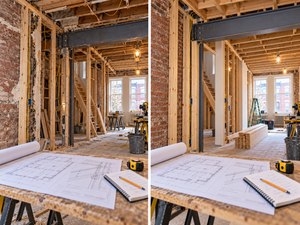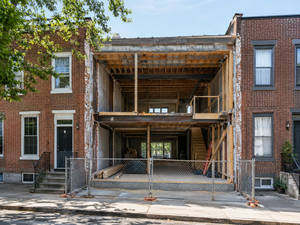

Philadelphia winter is brutally honest. Drafts show you where air is leaking. Stains show you where water is traveling. Floors feel “off” when framing isn’t level. If you’re searching general contractor Philadelphia or home renovation near me, winter is the best season to do one thing most people skip: scope verification—a process that turns unknowns into a clear plan before demolition starts.
Why winter planning saves money in Philly rowhomes
Rowhomes hide surprises: layered renovations, patchwork wiring, multiple ceiling systems, and years of small water entry at transitions. In winter, those issues become obvious because:
- Condensation reveals cold spots and missing insulation
- Freeze/thaw widens small exterior gaps and exposes water paths
- Heating systems highlight airflow problems and pressure differences
- Old plaster and framing movement becomes visible
What “scope verification” actually includes
A good GC isn’t guessing. We verify:
- Moisture risk zones: around chimneys, parapets, rear additions, and window heads
- Structure: joist direction, load paths, sagging beams, and floor slope
- MEP reality check: electrical capacity, plumbing routing, venting, and shutoffs
- Wall/ceiling assemblies: plaster, lath, old drywall layers, hidden soffits
- Permit readiness: what triggers permits, inspections, and code upgrades
The winter sequence that keeps projects on track
1) Inspection + documentation (photos, measurements, notes)
2) Design decisions early (layout, fixture locations, lighting plan)
3) Budget built from verified conditions (not “best case” assumptions)
4) Material lead-time planning (cabinets, tile, fixtures)
5) Trade schedule with realistic dependencies (rough → inspections → close-up)
Neighborhood realities we plan for
In Fishtown, Northern Liberties, Old City, Fairmount, Graduate Hospital, we often see older plumbing stacks, mixed wiring, tight access, and shared party-wall considerations—so the plan has to be clean, coordinated, and inspection-friendly.
Quick checklist: Are you ready to start?
- Do you know what walls are load-bearing?
- Do you know where water has been entering (even once)?
- Do you have a lighting plan, not just fixture picks?
- Do you have a finish schedule (tile, paint, hardware) locked?
FAQ
How early should I start planning? 4–8 weeks before you want to start demo is ideal.
Can I plan in winter and build in spring? Yes—winter planning reduces timeline risk.
Conclusion
If you want fewer surprises, winter is your advantage. Scope verification turns “maybe” into a real plan—so your renovation stays controlled, clean, and predictable.