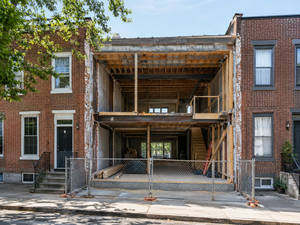
Philadelphia rowhomes are one of the city’s defining features. They are historic, practical, charming, and deeply woven into the character of neighborhoods across the city. However, renovating a rowhome is not the same as renovating a suburban house. These homes require a different construction strategy, a stronger understanding of older building systems, and careful planning from the very beginning. For homeowners thinking about updating a rowhome, the smartest step is working with a contractor who understands how Philadelphia homes are actually built.
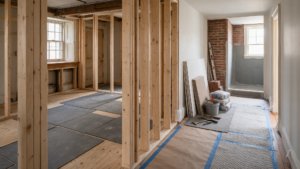
One of the biggest differences in rowhome renovation is structural layout. Many rowhomes were built long before modern construction standards, and while they can be incredibly durable, they often include framing irregularities, aging joists, sloped floors, masonry wear, and past modifications that were not always done professionally. A wall that looks simple to remove may be carrying weight. A ceiling that appears flat may hide old mechanical work. A floor that seems cosmetic may actually reveal a deeper leveling issue. Because of this, renovations must begin with a practical understanding of what is behind the finishes.
Shared walls also change the equation. In rowhomes, construction does not happen in isolation. Sound transfer, vibration, fire separation, and structural relationships with neighboring properties can all affect how work is done. This is especially important during demolition, framing, and major interior reconfiguration. A contractor working in Philadelphia rowhomes needs to think beyond the room itself and consider how the house functions as part of a tightly connected building pattern.
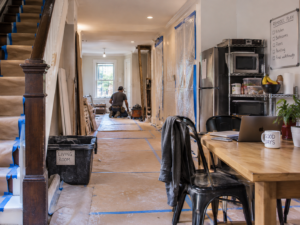
Space constraints are another important factor. Many rowhomes have narrow floor plans, limited storage during construction, tight stair access, and restricted delivery conditions. Material staging, debris removal, and trade scheduling all need to be planned carefully. In some neighborhoods, parking and street access add another layer of logistics. A contractor without city experience may underestimate how much coordination is required to keep the site organized and the project efficient.
Older mechanical systems are also common in Philadelphia rowhomes. A homeowner may start with plans to update flooring, walls, or layout, only to discover outdated wiring, undersized service panels, aging plumbing lines, limited insulation, or inconsistent HVAC distribution. This is why renovation strategy matters so much. Instead of treating visible upgrades as separate cosmetic tasks, a well-planned rowhome renovation looks at the property as a system. If walls are being opened, it may be the right time to upgrade electrical. If ceilings are coming down, it may make sense to address ductwork or insulation. If subfloors are exposed, underlying repairs can be handled before finishes go back in.
Moisture management is another issue that often affects rowhomes. Homes in Philadelphia can show signs of roof-related staining, masonry moisture, old patchwork, bathroom humidity damage, or basement dampness that has been covered up rather than corrected. During renovation, these conditions should be identified early instead of being ignored until they create future repairs. The goal is not just to make the house look newer. The goal is to make it function better and last longer.
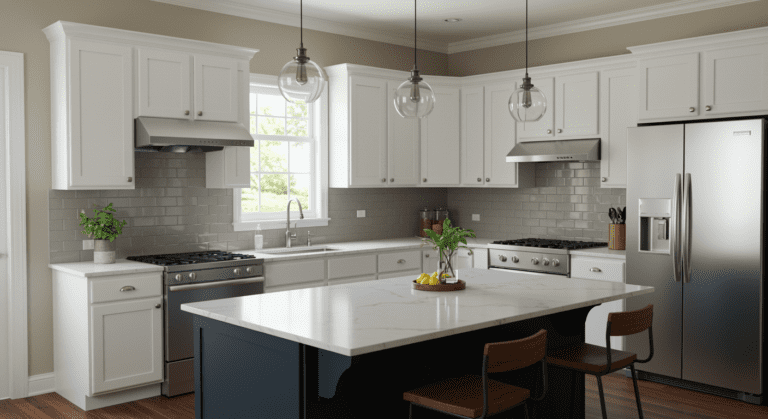
Rowhome renovations also require a thoughtful design approach. Open layouts are popular, but not every floor plan can or should be opened in the same way. Storage matters. Traffic flow matters. Natural light matters. Preserving useful separation between living zones can matter just as much as creating openness. In many Philadelphia homes, the best renovation plan balances modern living with the proportions and realities of the existing structure. That takes judgment, not just demolition.
Another important consideration is resale value. Buyers in Philadelphia often look for homes that feel updated but still make sense for the property type and neighborhood. Overbuilding, under-planning, or using generic renovation ideas can hurt long-term value. A well-executed rowhome renovation should feel intentional. It should improve function, respect the building, and create everyday comfort without forcing a layout that does not fit the house.
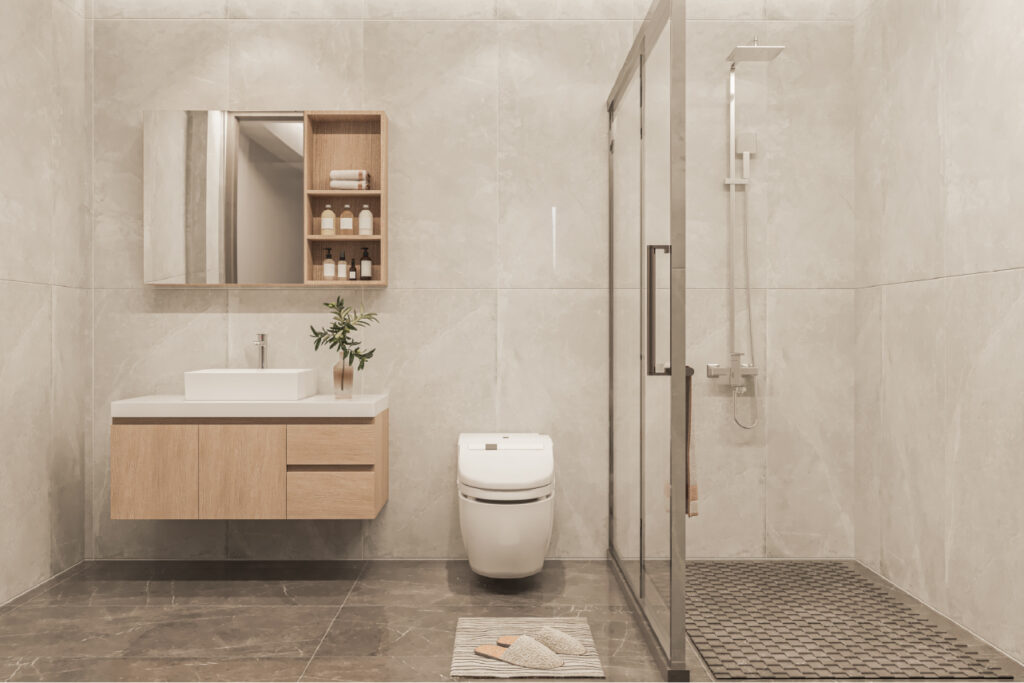
The best rowhome construction strategy combines planning, flexibility, and local experience. It accounts for hidden conditions, older materials, code requirements, shared-wall realities, and urban jobsite logistics. Most importantly, it focuses on smart sequencing so that structural work, systems upgrades, and finish details happen in the right order. Philadelphia rowhomes reward careful renovation. When handled correctly, they become stronger, more comfortable, and more valuable homes for the long term.