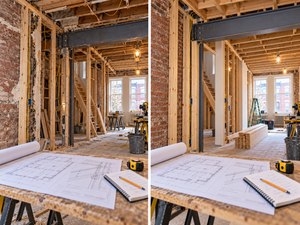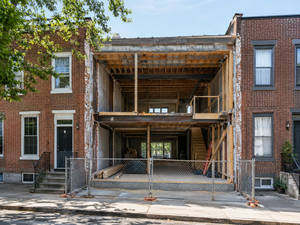

When homeowners start planning a major renovation, one of the first questions they ask is simple: what does a general contractor actually do? In Philadelphia, that question matters even more because homes here often come with unique structural conditions, aging systems, tight layouts, shared walls, and strict code requirements. A full home renovation is not just about picking finishes or updating a few rooms. It is about managing an entire construction process from demolition to completion. That is where an experienced general contractor becomes essential.
A general contractor in Philadelphia coordinates every moving part of a renovation. That includes planning the scope of work, organizing timelines, scheduling labor, managing subcontractors, ordering materials, overseeing site conditions, and making sure the project stays aligned with city requirements. In a rowhome, twin, or older single-family property, this role becomes even more important because one issue often leads to another. Once walls are opened, hidden plumbing, old wiring, framing irregularities, moisture damage, or insulation problems can quickly appear. Without the right project oversight, a renovation can become disorganized, expensive, and delayed.
A well-managed renovation starts long before the first hammer swings. The contractor helps define the project clearly so that expectations match the budget and the schedule. This early phase often includes walkthroughs, measurements, identifying structural limitations, discussing layout goals, and reviewing how different upgrades connect to each other. For example, moving a wall may affect electrical lines, HVAC flow, floor leveling, and finish carpentry. Replacing flooring may also require subfloor repairs. Updating an open-concept first floor may involve load-bearing calculations, beam support, and permit coordination. These are not isolated tasks. They are connected decisions, and a general contractor is the person responsible for making sure everything works together.
In Philadelphia, renovation management also means understanding the housing stock. Many homes in neighborhoods like South Philadelphia, Fishtown, Point Breeze, Graduate Hospital, Fairmount, and Kensington have decades of wear layered beneath visible surfaces. Floors may slope. Masonry may need reinforcement. Previous repairs may not have been done correctly. Mechanical systems may have been partially updated but not fully modernized. A contractor who works in the city regularly knows how to anticipate these conditions and build realistic plans around them. That experience helps reduce surprises and keeps homeowners from feeling overwhelmed once construction begins.
Another major part of the general contractor’s role is sequencing. A successful renovation follows the right order. Demolition comes before framing. Framing must be completed before rough plumbing and electrical. Inspections must happen before insulation and drywall. Flooring should not go in before heavy overhead work is complete. Trim, paint, and final details come near the end. If that sequence is not managed properly, the project can lose time and quality. Materials may be damaged. Trades may show up at the wrong stage. Rework may become necessary. Strong sequencing is one of the reasons some renovations feel smooth while others feel chaotic.
Communication is another key responsibility. Homeowners often assume construction problems come from labor alone, but many of the biggest frustrations come from poor updates, unclear expectations, and a lack of coordination. A general contractor should keep the homeowner informed about what is happening, what is coming next, and where decisions need to be made. That includes discussing unforeseen conditions honestly and helping the client understand which changes are cosmetic, which are structural, and which are necessary for long-term performance. Good communication turns construction from a stressful guessing game into a manageable process.
Philadelphia renovations also require attention to permits, inspections, and code compliance. Depending on the project, this may involve structural work, electrical upgrades, plumbing relocation, egress requirements, insulation standards, stair details, or fire separation rules. A licensed and experienced contractor helps navigate those requirements so the work is not only attractive but also safe and compliant. That matters for resale value, insurance, and peace of mind.

At the end of the day, a general contractor is not just someone who hires workers. A real contractor manages risk, timing, quality, logistics, and accountability. During a full home renovation, that leadership is what keeps the project moving forward. For Philadelphia homeowners planning major upgrades, choosing the right general contractor means choosing someone who can see the whole picture, handle the city’s construction challenges, and bring structure to a process that can otherwise become complicated very quickly.