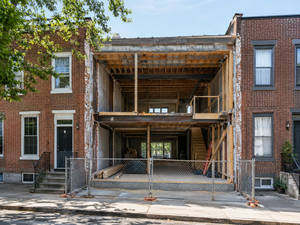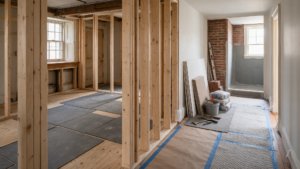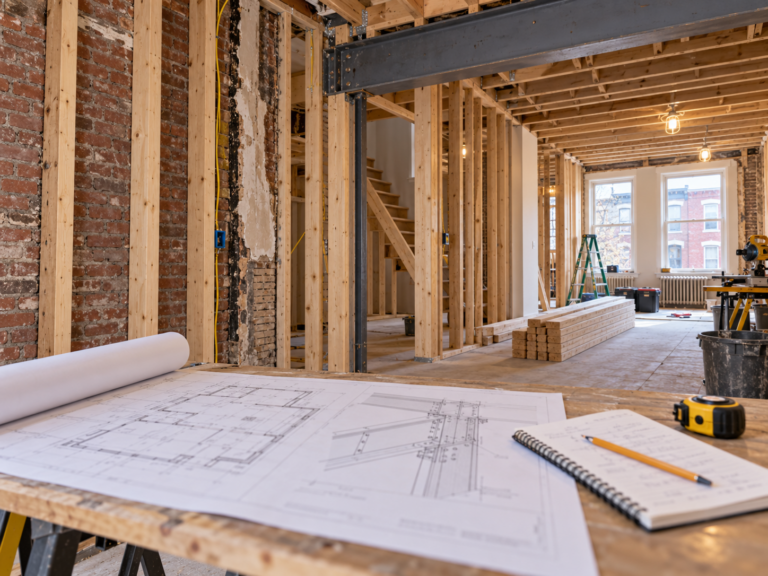
The success of a major home renovation in Philadelphia is determined long before the first wall is demolished. It begins in the planning stages, specifically in navigating the Department of Licenses and Inspections (L&I). For property owners undertaking significant structural changes—such as underpinning a foundation, adding a third story, or altering load-bearing walls—understanding the local permitting landscape is essential.
Philadelphia’s building codes are based on the International Building Code (IBC) and the International Residential Code (IRC), with specific local amendments designed for the city’s unique, high-density historic housing stock. Attempting to bypass L&I or securing the wrong type of permit can lead to disastrous consequences, including Stop Work Orders, heavy daily fines, and the forced dismantling of unpermitted construction.
Noam Construction — official website. Philadelphia L&I: Building Permits.
Here is a comprehensive breakdown of how structural renovation permits function in Philadelphia, and what property owners need to prepare for.
Differentiating Permit Types: EZ vs. Standard
L&I categorizes construction projects based on their complexity and their potential impact on life safety and structural integrity.
The EZ Permit
An EZ Permit is designed for minor, non-structural alterations. It does not require the submission of architectural plans and can often be issued quickly online via the eCLIPSE system. You can use an EZ Permit for tasks like replacing existing drywall, installing new kitchen cabinets in the same footprint, replacing identical windows, or putting on a new layer of roofing (without replacing the structural roof deck).
Crucially, EZ Permits explicitly forbid any structural modifications. You cannot use an EZ Permit to cut a new egress window through a masonry foundation, remove a load-bearing wall, or reframe a roof.
The Standard Building Permit
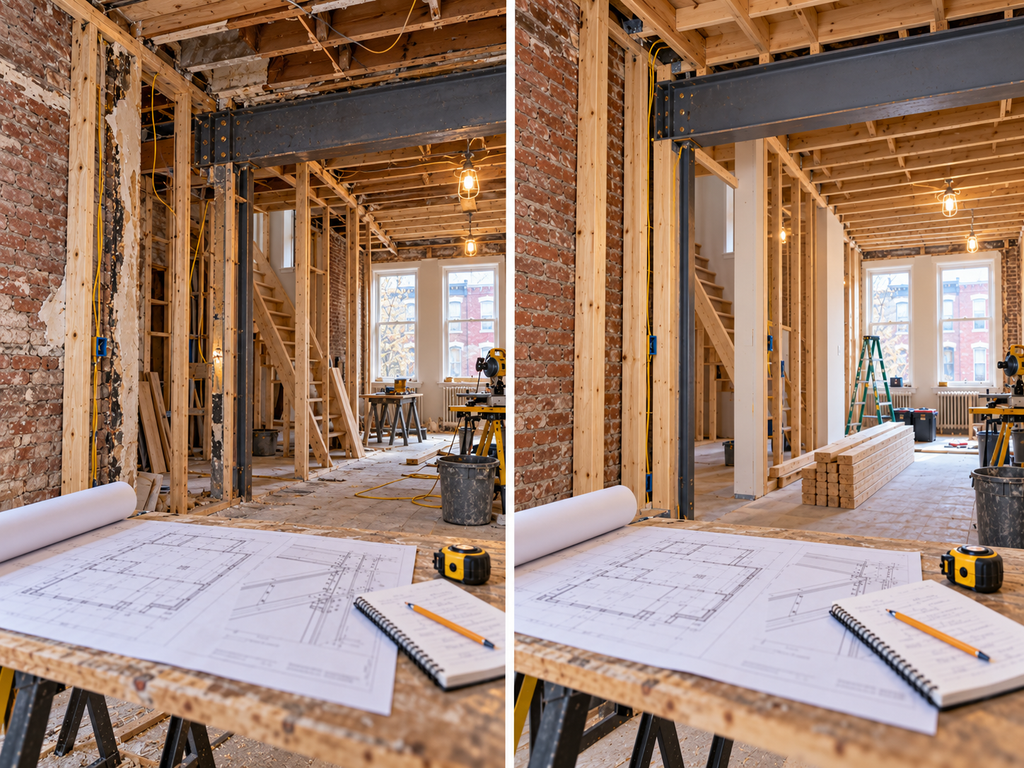
Any project that alters the structural envelope, changes load paths, or involves a change of use requires a Standard Building Permit. Because of the safety implications, this permit requires a comprehensive plan review process by L&I examiners.
To apply for a Standard Building Permit for structural work, you must submit:
1. Architectural Drawings: Scaled, professional drawings showing existing conditions and proposed changes.
2. Structural Engineering Plans: If load-bearing elements are altered, a Pennsylvania-licensed structural engineer must stamp the plans. These plans must include load calculations, beam sizing, and connection details.
3. Site Plans: If the footprint of the building is expanding (like a rear addition).
The Role of Zoning Approvals
Before L&I will even look at your Standard Building Permit application, you must verify your zoning compliance.
The Philadelphia Zoning Code dictates the allowable use of a property, its height, how much of the lot it can cover, and its proximity to property lines.
– By-Right: If your structural renovation adheres perfectly to the zoning code (for example, keeping an interior renovation within a single-family home classification without expanding the exterior footprint), you can proceed “by-right” and apply directly for the building permit.
– Zoning Variance: If you want to add a roof deck that exceeds the allowable height, build an addition that encroaches on the required rear yard setback, or convert a single-family home into a multi-family triplex, you must obtain a Zoning Variance. This involves applying for a zoning permit, receiving a formal Refusal, and then appealing to the Zoning Board of Adjustment (ZBA). This process requires community meetings with the local Registered Community Organization (RCO) and can add several months to your timeline.
Only after the ZBA grants a variance can you apply for your structural building permit.
Special Permit Categories
Certain structural situations in Philadelphia require highly specific permit types and inspection protocols.
Make Safe Permits
Philadelphia has thousands of aging properties. When a building suffers a partial collapse, a bowing facade, or receives a severe structural violation from an L&I inspector, emergency action is required. A “Make Safe” permit is a specialized, expedited permit allowing contractors to immediately stabilize the property. This covers erecting temporary shoring, removing dangerous loose masonry, or installing bracing. Once the immediate hazard is neutralized, a standard permit is still required to perform the permanent structural repairs.
Special Inspections
For highly complex structural procedures, L&I plan examiners will designate “Special Inspections” on the permit. This means the city’s standard inspectors are not sufficient; the homeowner must hire an independent, L&I-approved third-party engineering firm to conduct inspections. Special inspections are almost always required for:
– Foundation underpinning and deep excavations.
– Structural steel welding and high-strength bolting.
– Placement of reinforced concrete in critical structural elements. The Special Inspector must submit final reports to L&I before the permit can be closed and a Certificate of Occupancy issued.
Trade Permits and Project Sequencing
A Standard Building Permit covers the general construction and structural carpentry. It does not cover the mechanical systems. If your renovation involves moving plumbing stacks to accommodate the new structural layout, upgrading the electrical service, or installing new HVAC ductwork, licensed trade subcontractors must pull separate, associated trade permits.
– Plumbing Permit: Required for moving pipes, adding fixtures, or altering the sewer lateral. Only a Philadelphia-licensed Master Plumber can pull this permit.
– Electrical Permit: Required for panel upgrades, rewiring, or significant new circuitry.
– Mechanical Permit: Required for installing new HVAC systems and ductwork.
These trade permits are tied to the master building permit. The general contractor must sequence the project carefully, ensuring that the rough-in plumbing, electrical, and structural framing are all inspected and approved by L&I before any drywall is installed to cover the work.
FAQs About Structural Permitting
How long does it take L&I to review a Standard Building Permit? Review times fluctuate based on city backlog. Currently, a residential structural plan review typically takes 4 to 8 weeks. If the examiner finds issues, they will issue a “Request for Information” (RFI), which your architect must address. Each RFI cycle can add weeks to the timeline.
Can I do my own structural work if I own the house? While Philadelphia allows homeowners to pull permits for minor work on their primary residence, major structural work requires a licensed general contractor. The city requires proof of contractor licensing and insurance for structural building permits.
What happens if I discover structural rot while doing cosmetic work under an EZ permit? If you open a wall for a cosmetic update and discover severe termite damage or structural rot, you must stop work. You cannot repair structural damage under an EZ permit. You must hire an architect/engineer, submit plans, and upgrade to a Standard Building Permit to legally repair the framing.
Does a finished basement require a structural permit? If you are excavating the floor to gain ceiling height, underpinning the foundation, or cutting the foundation for a legal egress window, you absolutely need a Standard Building Permit and engineering plans. Even if no structural changes are made, converting an unfinished basement into habitable space requires a standard permit for life-safety code compliance.
Managing the regulatory requirements of a major renovation is as critical as the construction itself. Ensure your project is compliant and structurally sound by partnering with a contractor who understands Philadelphia L&I. Contact Noam Construction to discuss your upcoming project.