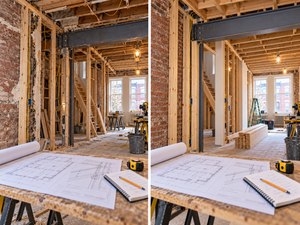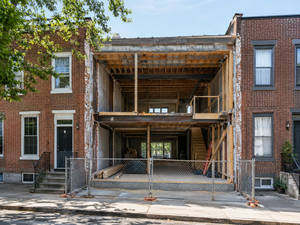

Investing in a major property renovation is a significant financial and personal commitment. When that project involves a historic home in Center City, Fishtown, or Queen Village, the stakes are even higher. The architectural nuances, structural vulnerabilities, and regulatory requirements unique to older Philadelphia neighborhoods demand a high level of specialized skill. Selecting an experienced general contractor Philadelphia is the most important decision you will make for your project.
Asking targeted questions and verifying essential professional credentials helps you avoid common pitfalls and ensures your project is completed with precision, safety, and legal compliance.
Verifying Municipal Licensing and State Registrations
The baseline requirement for any legitimate building professional is proper legal registration. In Pennsylvania, home improvement contractors must maintain an active registration with the Pennsylvania Attorney General’s Office under the Home Improvement Consumer Protection Act (HICPA). This registration ensures the business adheres to consumer protection standards and provides transparency regarding its history.
| Credential Type | Issuing Authority | Purpose |
| HICPA Registration | PA Attorney General | Statewide consumer protection & baseline operation clearance |
| Commercial Activity License | City of Philadelphia | Authorization to conduct business legally within city limits |
| Contractor License | Philadelphia L&I | Required to pull building, structural, and trade permits |
Furthermore, to operate legally within city limits, a contractor must hold a valid Philadelphia Commercial Activity License and an active Contractor License issued by the Department of Licenses and Inspections. These local credentials are required to pull the permits necessary for your project.
Evaluating Specialty Liability Insurance and Workers’ Comp
Structural work and historic renovations carry inherent risks. A general contractor must carry comprehensive general liability insurance to protect your property and neighboring structures from accidental damage during construction. This coverage should be scaled appropriately to the value of your asset and the complexity of the scope of work.
Always request a Certificate of Insurance (COI) sent directly from the contractor’s insurance agency. Ensure the policy is current and includes worker’s compensation insurance. If an uninsured worker is injured on your property, the financial liability can fall on you. A professional firm will always provide clear, verifiable proof of full coverage without hesitation.
Reviewing Subcontractor Networks and Project Management Styles
A general contractor is only as strong as the tradespeople they bring onto your property. Inquire about their relationships with specialty subcontractors, such as master plumbers, licensed electricians, and structural steel fabricators. Established firms work with a reliable network of vetted professionals who understand historic construction methods.
Additionally, ask about their day-to-day project management practices. Will there be a dedicated project manager or site supervisor on-site daily? How are unexpected structural discoveries handled and documented? Clear, organized communication protocols and digital project tracking platforms indicate a modern, professional operation capable of keeping your schedule and budget on track.
–
Protect your historic investment by partnering with a fully licensed, insured, and locally proven renovation specialist. Reach out to Noam Construction today to discuss your upcoming project and review our technical qualifications.