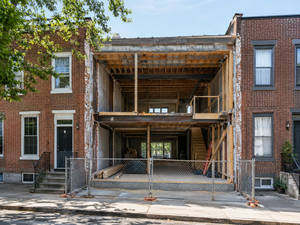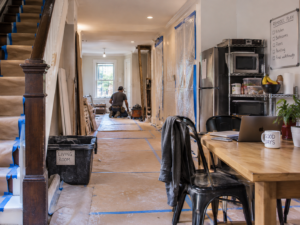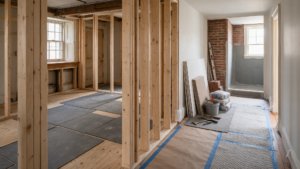
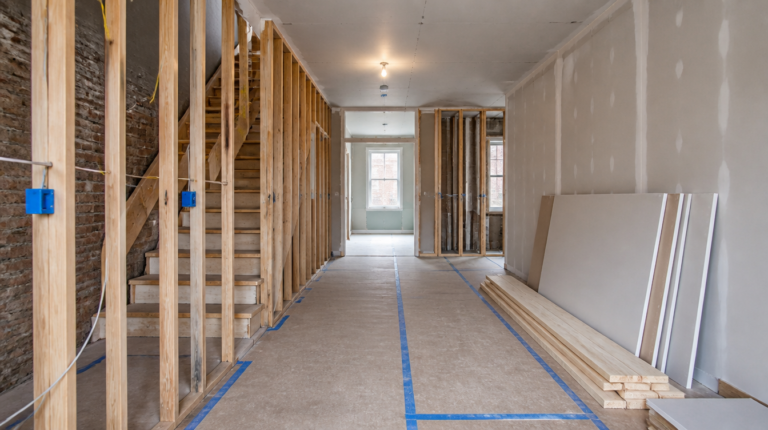
Historic rowhouses in Fishtown and Northern Liberties have stood for over a century, built using timber joists anchored into thick brick party walls. Over decades, natural soil settling, moisture exposure, or previous unpermitted renovations can cause floors to slope, doors to stick, or cracks to open in interior walls. Resolving these structural issues correctly is essential before executing high-end interior finishes.
Common Structural Deficiencies in Aging Rowhouses
Understanding the root causes of structural settling helps homeowners address issues before they compromise finished living areas:
- Rotted or Notch-Damaged Joist Ends: Brick pocket moisture can rot joist ends, while past plumbing cuts often weaken floor spans.
- Masonry Wall Bulging or Bowing: Unanchored exterior or party walls can bow outward if original iron tie rods degrade.
- Inadequate Bearing Headers: Unsupported wide openings cut into central interior walls during past remodels can lead to floor sagging above.
[Soil Settling or Pocket Rot] —> [Joist Deflection & Floor Slope] —> [Plaster Stress Cracking]
|
v
[Level Subfloors & Rigid Frame] <— [Steel Beam & Column Setting] <— [Joist Sistering & Pocket Prep]
Structural engineering standards governed by the International Code Council Existing Building Code mandate that modified floor framing meet modern live load performance criteria (minimum 40 lbs/sq ft).
+—————————+———————————–+—————————————–+
| Structural Deficit | Diagnostic Indicator | Engineering Repair Method |
+—————————+———————————–+—————————————–+
| Deflecting Floor Joists | Sloping floor boards (>1″ drop) | Sistering engineered LVL beams alongside|
| Rotted Pocket Ends | Floor drops near party walls | Installing steel joist hangers & plates |
| Unsupported Load Openings | Diagonal plaster cracks above | Flitch-plate or structural steel beam |
+—————————+———————————–+—————————————–+
Step-by-Step Structural Stabilization Process
Stabilizing a rowhouse requires systematic engineering steps to ensure lasting structural integrity:
- Laser Level Surveying: Map floor slopes and wall plumb across every floor level to identify settlement zones.
- Temporary Shoring Support: Erect temporary support walls to transfer floor loads safely during framing repairs.
- Joist Sistering & Pocket Repair: Fasten new engineered LVL lumber directly to existing joists and repair wall pockets with hydraulic lime mortar.
- Structural Beam Insertion: Lift flitch-plate or structural steel I-beams into place to open ground floor spaces safely.
Moreover, homeowners needing specialized rowhouse renovation in Philadelphia ensure their homes receive the precise structural reinforcement required for long-term safety.
Frequently Asked Questions
Can sloping floors in a 100-year-old rowhome be fully leveled?
Yes. By stripping ceiling plaster, installing temporary shoring, and sistering new LVL lumber along existing joists, floors can be restored to precise level alignment.
What is “joist sistering”?
Joist sistering involves fastening new dimensional lumber or engineered LVL beams directly alongside existing joists to double their load capacity and level uneven floor surfaces.
Why do brick pocket ends rot in historic homes?
Moisture wicking through porous exterior brick wall pockets rots untreated timber joist ends over decades. Proper repair involves treating timber and installing vapor-impermeable barriers.
Secure Your Rowhome’s Structural Integrity
Ensure your historic rowhome is structurally sound, level, and built to last. Noam Construction specializes in structural framing, joist sistering, and rowhouse transformations across Fishtown, Northern Liberties, and Port Richmond. Contact Noam Construction today to schedule a structural renovation audit.