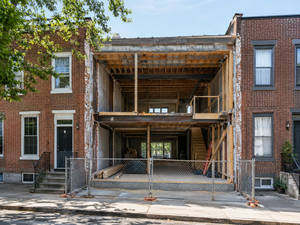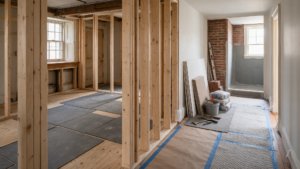
How to Handle Unpermitted Renovations When Buying a Philly Home is a practical planning question for property owners in Philadelphia. The right approach depends on the existing conditions, the way the space or system is used, and how the proposed work interacts with surrounding materials. Understanding those details early helps prevent a cosmetic decision from creating a larger construction, maintenance, or code problem later. That review should happen before demolition, fabrication, or installation begins.
Why Unpermitted Work Matters to a Buyer
Unpermitted renovations can create uncertainty about safety, inspections, property records, insurance, and future resale. The issue is not simply whether a permit sticker exists. A buyer needs to understand what was changed, whether the work required approval when completed, and whether concealed structural, electrical, plumbing, or fire-safety conditions may need professional evaluation.
Document the Existing Condition First
Before opening walls, collect seller disclosures, permits, certificates, plans, contractor invoices, inspection reports, and photographs. Compare those records with the physical property and public permit history. A targeted inspection can then focus on mismatches, such as removed walls, added bathrooms, finished basements, changed occupancy, or electrical panels that do not match the documented scope.
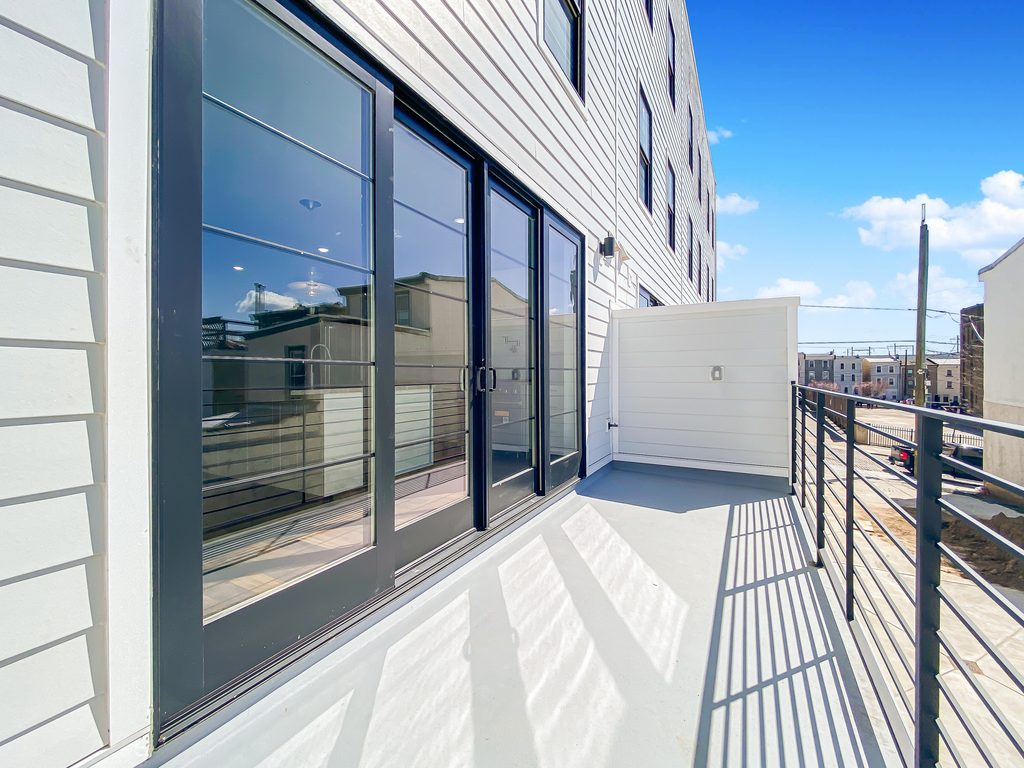
Retroactive Approval Is Not Automatic
Legalizing existing work may require drawings, engineering, selective demolition, correction of unsafe details, and multiple inspections. Current requirements may apply even when the work is older, depending on the condition and the enforcement path. Buyers should avoid assuming that a contractor can simply file paperwork after closing without changes to the construction.
Build the Findings into the Purchase Plan
Use the due-diligence period to estimate the range of investigation and corrective work, not just cosmetic repairs. The purchase agreement, financing schedule, and renovation budget should reflect unresolved violations or approvals. A contractor can help define a repair scope, but legal, zoning, title, and inspection questions may also require the appropriate licensed professionals or city offices.
Questions to Resolve Before Work Begins
Before authorizing a repair, document when the symptom appears, what changed before it started, and which areas or fixtures are affected. Ask the contractor to separate observation from diagnosis, explain what testing or selective opening is needed, and identify the condition that would change the proposed solution. The written scope should state what is included, how adjacent finishes will be protected, how concealed damage will be handled, and what will be tested before the repair is considered complete. Request photographs of concealed conditions and completed work where access will later be closed. Keep model numbers, material information, test results, permits, and care instructions with the property records so a future service provider can understand what was repaired and how the finished system is intended to perform.
Planning the Next Step
Property owners should compare the visible condition with the broader assembly, confirm any permit or manufacturer requirements that apply, and document the proposed scope before materials are ordered. Guidance from City of Philadelphia permits and violations guidance can help frame the technical questions, while an on-site evaluation determines what is appropriate for the individual property. Planning a complex renovation or construction project in Philadelphia? Contact Noam Construction to discuss the property, proposed scope, and the professional evaluations that may be needed before work begins.
Learn more about home renovation and remodeling.