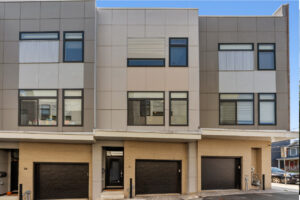
In Philadelphia, the difference between a smooth renovation and a stressful one usually comes down to planning, sequencing, and trade coordination. A skilled general contractor in Philadelphia doesn’t just “do the work”—they manage the entire system: scope, materials, permits, inspections, and the order in which every crew enters and exits a rowhome. That’s especially important in 2026, as homeowners and investors prioritize high-value upgrades like kitchens, bathrooms, structural corrections, and rental-ready interior improvements.
What a real GC process looks like (Philly edition)
1) Scope + site conditions first
Rowhomes hide surprises: uneven floors, older framing, outdated electrical, or moisture damage behind finished walls. A proper walkthrough documents conditions and reduces change-orders later.
2) Permits + inspection readiness
Projects involving structural changes, MEP updates, or layout shifts often require permit coordination. The goal is simple: build it to pass—not “hope it passes.”
3) Sequencing that protects finishes
The most common mistake is finishing too early. In a correct sequence, you handle: framing → mechanicals → insulation → drywall → flooring → cabinetry → trim → final paint. This prevents rework and damage.
Common 2026 Philly projects we’re seeing
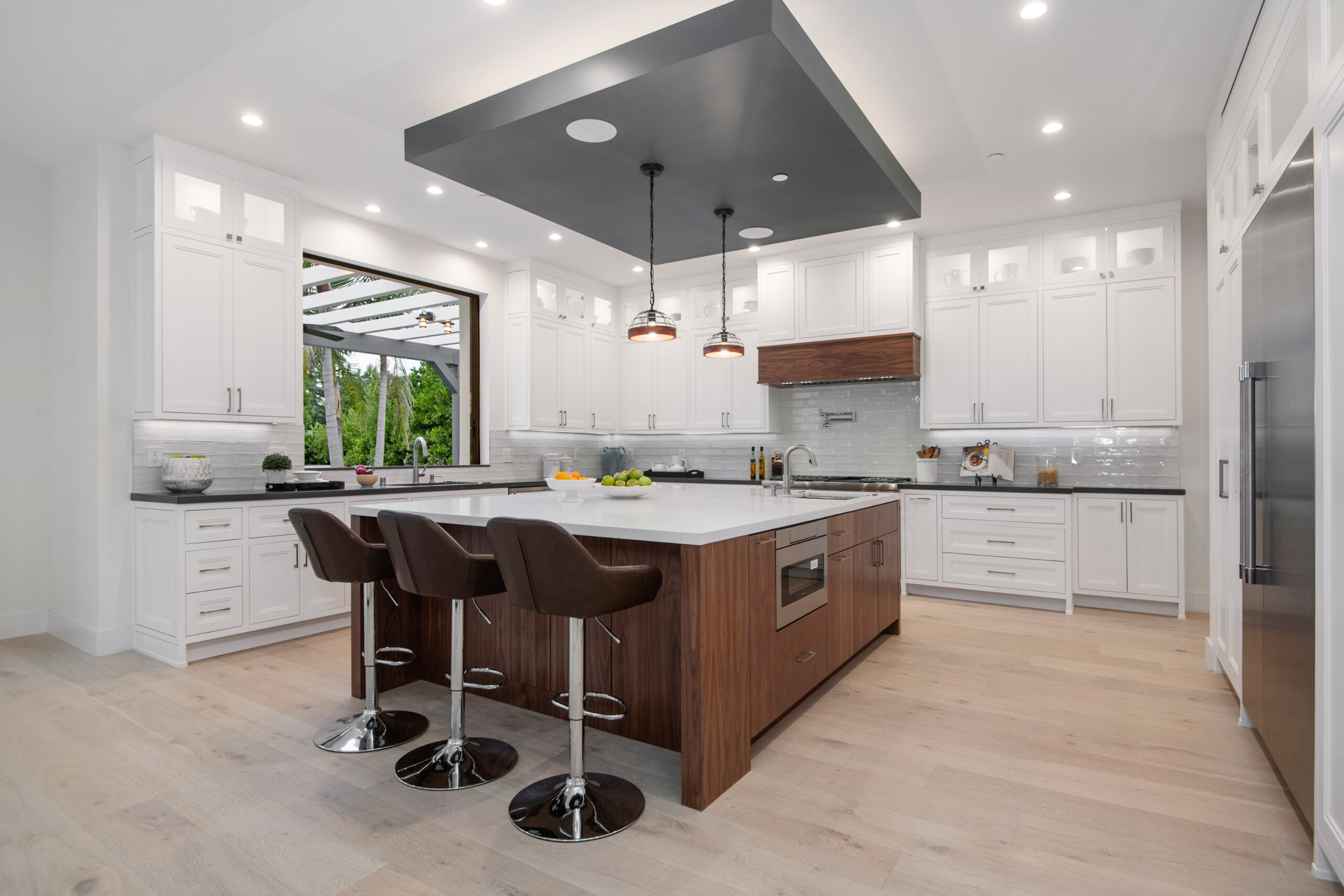
- Kitchen remodels in Fishtown, Queen Village, and East Passyunk (layout + cabinets + lighting)
- Interior modernization in Port Richmond and Kensington (drywall, flooring, trim, doors)
- Multi-unit punch-lists + turnover upgrades for landlords
- Structural and framing corrections in older rowhomes
- Basement finishing prep (moisture checks before finishing)
Quick FAQs
Do I need a GC for a kitchen remodel? If multiple trades are involved (electric, plumbing, tile, cabinets), yes—coordination prevents delays.
Why do Philly renovations run late? Materials, poor sequencing, and unclear scope are the top causes.
What should I prepare before an estimate? Photos, priorities (must-have vs nice-to-have), and any prior inspection notes.