
Winter makes the “real” problems visible
Cold weather exposes what summer hides: drafts at windows, uneven floors, moisture marks, and weak insulation. For a full home renovation, these aren’t minor—they affect framing, drywall, flooring, and finish quality.
What a good renovation plan includes
A true general contractor in Philadelphia doesn’t start with demo. We start with scope control:
- Room-by-room priorities (must-fix vs nice-to-have)
- Trade sequencing (demo → rough-ins → inspections → insulation → finishes)
- Allowances that don’t blow up later (tile, cabinets, fixtures)
- Risk notes (old plaster, hidden water, outdated electrical)
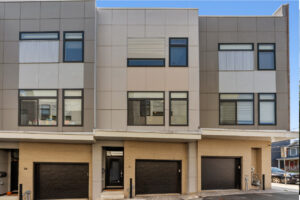
Philly-specific realities (rowhomes + tight lots)
Rowhomes and attached homes need careful planning around:
- Shared walls and party-wall penetrations
- Roof-wall transitions and flashing
- Old framing that’s “almost level”
- Stairs and hallway pinch points for material movement
The payoff: fewer change orders, cleaner inspections
When the plan is tight, inspections go smoother and finishes look intentional. Winter is ideal for pre-checking conditions before spring demand spikes.
FAQ
Q: Should I start a renovation in winter?
A: Planning in winter is excellent. Start dates depend on scope, permits, and trade availability.
Q: What’s the biggest budget killer?
A: Undefined scope + missing allowances.
Q: Do I need permits?
A: Often yes for structural, electrical, plumbing, and major remodels.
Closing: If you’re searching general contractor Philadelphia, winter planning is how you lock in scope, protect your budget, and avoid mid-project chaos.