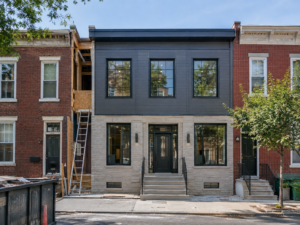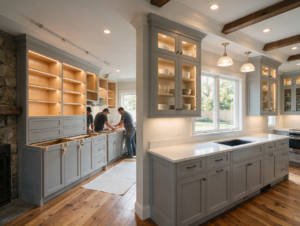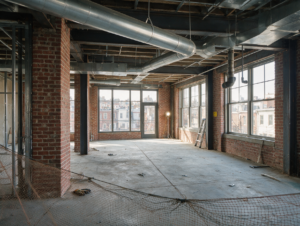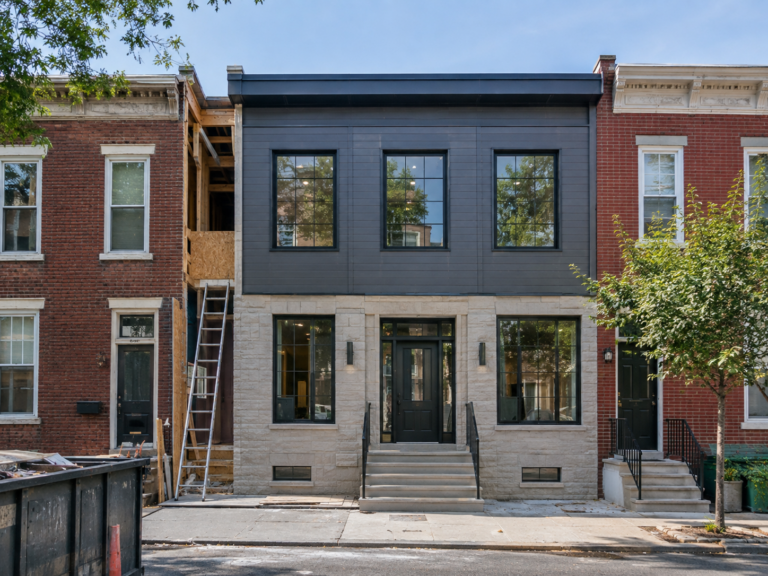
Combining Two Philadelphia Row-homes into One Single-Family House is a practical planning question for property owners in Philadelphia. The right approach depends on the existing conditions, the way the space or system is used, and how the proposed work interacts with surrounding materials. Understanding those details early helps prevent a cosmetic decision from creating a larger construction, maintenance, or code problem later. That review should happen before demolition, fabrication, or installation begins.
Combining Buildings Is More Than Removing a Wall
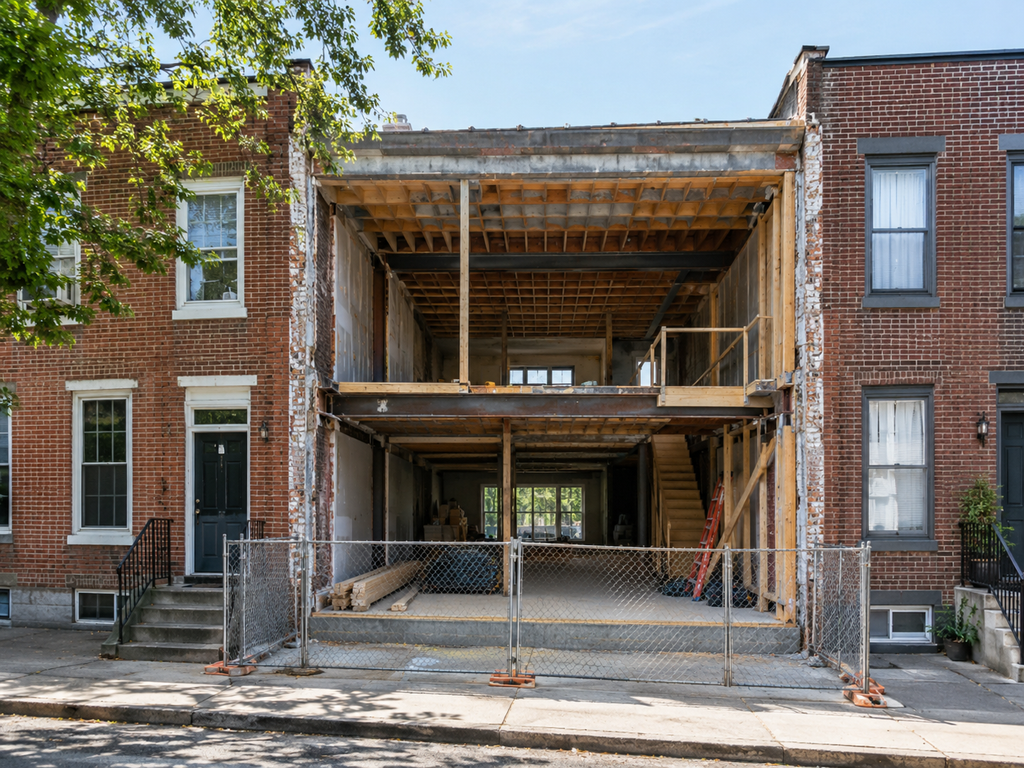
Two adjacent row-homes have separate structural systems, addresses, utilities, tax records, and fire-separation histories. Creating a double-width home may require openings through a party wall, coordinated floor elevations, new circulation, and a strategy for duplicated kitchens, stairs, meters, or mechanical equipment. The legal property configuration must be reviewed alongside the architectural idea.
Party Wall Openings Need Engineered Details
Masonry party walls may support joists from both buildings and help stabilize the structures laterally. Openings require properly designed lintels or frames, temporary shoring, and careful sequencing. Existing cracks, moisture, chimney pockets, and joist bearings should be documented before demolition so new movement is not confused with prior conditions.
Unify Systems Without Creating Maintenance Problems
A combined plan should address electrical service, heating and cooling zones, plumbing stacks, roof drainage, alarms, and access to shutoffs. Simply keeping every duplicated system can waste space and complicate maintenance, while consolidating everything may require major upgrades. The design should reflect how the finished house will operate, not only how rooms connect.
Coordinate Records Approvals and Construction
Property consolidation, addressing, permits, zoning, and utility accounts may follow different processes. The project team should confirm which approvals must occur before construction and which can proceed in parallel. A detailed existing-condition survey and phased demolition plan help control risk when work crosses the boundary between two formerly independent buildings.
Questions to Resolve Before Work Begins
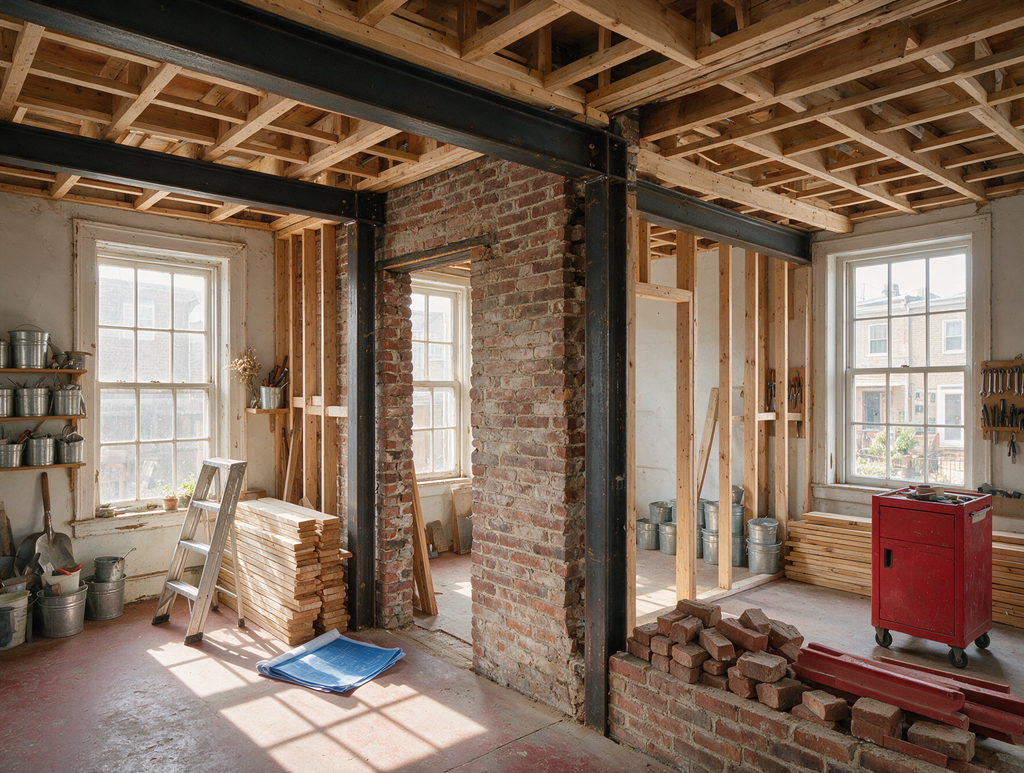
Before comparing proposals, make sure each contractor is pricing the same boundaries, materials, preparation, protection, access, disposal, and finish restoration. Ask which selections must be finalized before work begins, which conditions remain allowances, and which approvals or inspections can affect the schedule. Product data and drawings should match the written scope. This makes it easier to distinguish a genuinely different construction approach from a price difference created by missing work. Record approved samples, model numbers, colors, profiles, and installation requirements in one selection log. The agreement should also explain change-order authorization, progress documentation, cleanup standards, final inspection, and the information the owner receives for maintenance after the project is complete.
Planning the Next Step
Property owners should compare the visible condition with the broader assembly, confirm any permit or manufacturer requirements that apply, and document the proposed scope before materials are ordered. Guidance from International Code Council digital codes can help frame the technical questions, while an on-site evaluation determines what is appropriate for the individual property. Planning a complex renovation or construction project in Philadelphia? Contact Noam Construction to discuss the property, proposed scope, and the professional evaluations that may be needed before work begins.
Learn more about full house renovations.