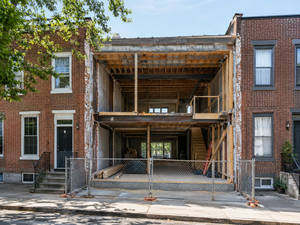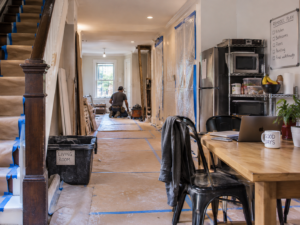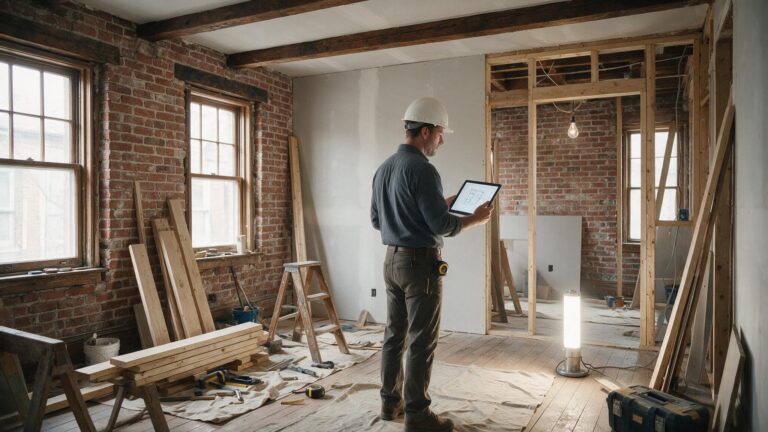
Executing a gut renovation on a historic property is vastly different from building a new home from the ground up. In prestigious, historically significant neighborhoods like Society Hill and Fairmount, the logistical complexities of municipal regulations, material procurement, and trade sequencing demand rigorous oversight. Attempting to manage a multi-room, structural overhaul without professional coordination inevitably leads to stalled progress, expired permits, and ballooning budgets. Success requires the meticulous orchestration of a dedicated construction management team.
Navigating Historic Preservation Regulations
The very first phase of a historic renovation happens long before demolition begins. Protecting the architectural heritage of Philadelphia requires navigating specialized bureaucratic channels.
The Historical Commission Review Process
If your property is listed on the Philadelphia Register of Historic Places, or if it sits within a designated historic district, any alterations to the building’s exterior must be approved by the Philadelphia Historical Commission. Replacing original windows, altering the roofline, or changing the front door requires submission of detailed architectural drawings and historical material specifications. A seasoned construction manager handles this specialized application process, ensuring the proposed designs meet strict preservation guidelines to secure swift approval.
Sequencing the Construction Phases
A full-home renovation involves dozens of specialized tradesmen—from structural steel ironworkers to custom cabinet installers. Proper sequencing ensures that trades do not step on each other’s toes and that work does not have to be undone to accommodate a missed step.
Rough-In Coordination
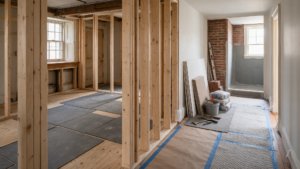
Once the building is stripped to the studs and the structural framework is reinforced, the “rough-in” phase begins. This is a critical orchestration point. The HVAC technicians must route their bulky ductwork first. Next, the plumbers run water supply lines and heavy PVC waste pipes. Finally, electricians navigate their wiring around the plumbing and ductwork. If these trades are not scheduled in this exact order, the electrician’s wires may block the path needed for a plumbing stack, forcing costly rework and timeline delays.
Managing Municipal Inspections
At multiple stages of the project, construction must halt entirely until a municipal inspector verifies the work. A dedicated project manager anticipates these inspection windows, scheduling the city inspector the moment the rough-in phase concludes. This proactive scheduling prevents the job site from sitting idle for a week while waiting for an approval sticker before the insulation and drywall teams can proceed.
Material Procurement and Logistics
In dense urban environments like Fairmount and Society Hill, logistics play a massive role in project timelines. Narrow, one-way streets make delivering large structural steel beams or dumpsters incredibly difficult. Furthermore, high-end finishing materials—like custom architectural windows or imported marble slabs—often have lead times exceeding twelve weeks. Professional management ensures these long-lead items are ordered on day one, and that street closure permits and delivery trucks are coordinated flawlessly to prevent neighborhood disruption.
The Value of Professional Project Management
A gut renovation requires absolute precision in planning and execution. Entrusting the project to an experienced general contractor in Philadelphia guarantees that the architectural vision, historical compliance, and daily construction logistics are managed under one roof. Contact Noam Construction Philadelphia today to discuss how our professional construction management transforms historic properties with efficiency and exactitude.
FAQs:
- What triggers a review by the Philadelphia Historical Commission? Any proposed change to the exterior appearance of a property located in a historic district or individually listed on the historic register requires Commission review before a building permit is issued.
- How long does a full-home historic renovation take? Timelines vary based on scope, but a complete gut renovation of a historic rowhome typically requires 6 to 10 months of active construction, preceded by several months of architectural design and permitting.
- Why is the order of rough-in trades so important? HVAC ductwork is the largest and least flexible system. Plumbers must work around ductwork, and electricians, using flexible wire, must work around both. Doing this out of order causes physical conflicts inside the walls.