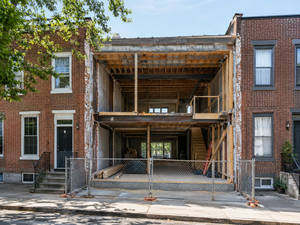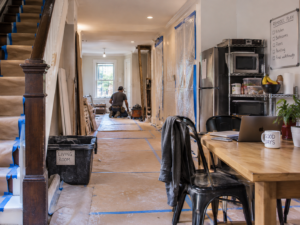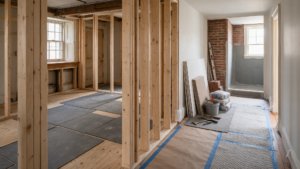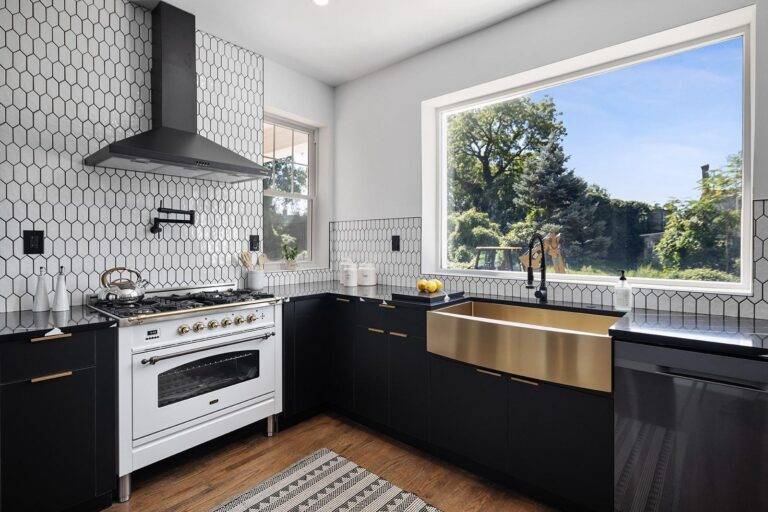
Undertaking a whole-house overhaul transforms an outdated property into a highly efficient, customized sanctuary. For owners of historic estates in Chestnut Hill or large properties in Fairmount, understanding the financial scope of a complete renovation is paramount. A full-scale project differs drastically from a single-room update; it involves gutting the interior, replacing mechanical systems, and frequently reconfiguring the entire floor plan. Establishing a realistic budget early prevents compromised designs and ensures a smooth construction timeline.
The Primary Drivers of Renovation Costs
A comprehensive budget must account for both the visible finishes and the invisible infrastructure that keeps the home running safely.
Mechanical, Electrical, and Plumbing (MEP) Overhauls
In historic properties, the existing infrastructure rarely meets modern demands. If a home still utilizes knob-and-tube electrical wiring, galvanized steel plumbing, or an outdated boiler system, these must be replaced entirely. Upgrading to a 200-amp or 400-amp electrical service, installing multi-zone central HVAC, and running new PEX water lines throughout the structure requires highly specialized trades. While these unseen upgrades consume a significant portion of the budget, they are non-negotiable for safety and long-term property value.
Structural Modifications and Open Floor Plans
Reconfiguring a century-old floor plan to accommodate modern living significantly impacts the budget. Knocking down interior walls to create a sweeping kitchen and living area requires precise engineering. If the walls are load-bearing, installing structural steel beams and columns involves heavy labor and specialized equipment. Additionally, discovering and repairing hidden issues—such as termite damage, dry rot in floor joists, or an uneven foundation—necessitates a healthy contingency fund.
High-End Material Selection
Once the structural and mechanical systems are secured, the aesthetic finishes define the remaining budget.
Custom Cabinetry and Millwork
In upscale Chestnut Hill renovations, standard building materials often fall short of architectural expectations. Custom-built inset cabinetry, wide-plank oak flooring, and historically accurate architectural molding drive costs higher than mass-produced alternatives. However, these premium materials offer vastly superior durability and seamlessly integrate modern amenities into a classic aesthetic.
The Value of Phased Construction vs. All-At-Once
Homeowners must decide whether to execute the renovation in phases or move out and complete the entire home at once. While living in the home and tackling one floor at a time seems financially safer, an all-at-once approach is actually more cost-effective overall. A continuous construction schedule minimizes setup and teardown times, streamlines municipal inspections, and allows tradesmen to rough-in all plumbing and electrical systems simultaneously. According to the National Association of Home Builders (NAHB), consolidating labor into a single, uninterrupted project timeline significantly reduces total overhead costs.
Building a Transparent Financial Plan
Managing a large-scale remodel requires meticulous financial oversight. An experienced construction firm utilizes a design-build approach to provide accurate, fixed-price contracts before demolition ever begins. This eliminates the unpredictability of bidding wars and ensures your design aligns perfectly with your financial parameters. To explore the potential of your property and begin drafting a precise budget, contact our team regarding your full-home renovation in Philadelphia today.
12. FAQs:
- What percentage of my budget should be reserved for contingencies? For a full-home renovation in a historic property, reserving 15 to 20 percent of your total budget for unforeseen structural or mechanical issues is highly recommended.
- Is it cheaper to renovate an entire house at once or room by room? Renovating the entire house at once is more cost-effective. It consolidates labor, permits, and material deliveries, avoiding the repeated mobilization costs of phased projects.
- Do I need an architect for a full-home remodel? Yes. A full-home remodel involves structural changes and complex code compliance that require stamped architectural drawings for municipal permit approval.