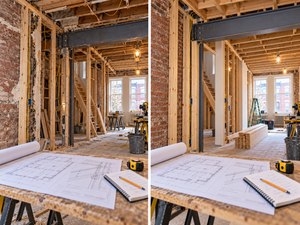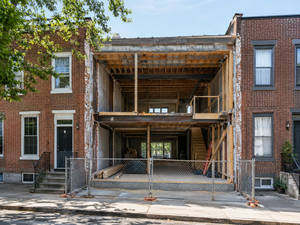

Philadelphia winters are the best time to plan and pre-build decisions—and the worst time to start a renovation without a clear scope. In neighborhoods like Fishtown, Northern Liberties, Old Kensington, Queen Village, and South Philly, rowhomes and older properties can hide conditions that only show up once walls open. That’s why the smartest renovation strategy is “scope-first,” not “demo-first.”
When scope is locked, schedules become realistic, budgets stay controlled, and crews can move efficiently. When scope is vague, even a great contractor is forced into reactive mode—leading to change orders, delays, and design decisions made under pressure.
What “scope-first” means (in real life)
A scope-first renovation is built around four decisions before demo begins:
- Layout – what moves, what stays, and why
- Systems – electrical/plumbing/HVAC changes and constraints
- Finish specs – materials selected early enough to avoid lead-time delays
- Permits + sequence – the work is planned in the order it must happen
Philadelphia also has contractor lookup resources and licensing information through the City and L&I tools, which is helpful for homeowners who want to vet contractors before they sign anything.
Scope-first checklist for Philly rowhomes (the “delay killers”)
A) Layout decisions that must be final
- Where appliances land (fridge swing + landing space)
- Bathroom layout (toilet clearances, shower valve access, venting)
- Door swings, pocket doors, and circulation zones
B) Electrical & lighting plan
- Recessed lights vs. surface fixtures
- Under-cabinet lighting, dimmers, dedicated circuits
- Panel capacity + future-proofing (EV charger? basement finish later?)
C) Plumbing plan
- Any fixture relocation triggers more coordination than people expect
- Shutoff strategy (especially in multi-level properties)
- Drain slope realities in basements and rear additions
D) Material lead times (the hidden schedule driver)
- Cabinets, specialty tile, doors, custom glass
- Countertops and templating sequencing
- Plumbing fixtures (valves, trims) that must match rough-in brands
The winter advantage: design and procurement
Winter planning lets you:
- finalize design without rushed choices
- order materials with time to spare
- build a real “critical path” schedule
- start spring with a prepared pipeline instead of chaos
How do I know if my project needs permits?
If you’re altering structural components, systems, or certain exterior work, permitting may apply. A good GC should guide this and ensure proper documentation.
How do I verify contractors in Philadelphia?
Use the City/L&I contractor lookup resources to review licensing info and any reported violations.