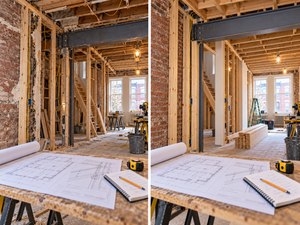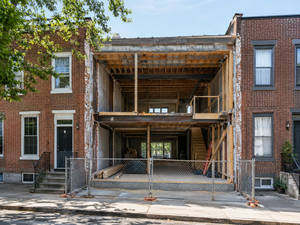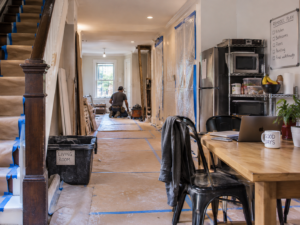

Philadelphia rowhomes are incredible—until a “simple update” reveals old framing, uneven floors, and hidden patchwork behind the walls. The best way to avoid delays is to start with a clear scope and a build sequence that matches how Philly homes are constructed.
Start with a scope that matches your goals
Many renovations fail because the scope is written around finishes (tile, paint, cabinets) but ignores what makes the finishes last: framing, subfloor, moisture control, and mechanical access.
Common scope items we plan for:
- Framing adjustments for straight walls and clean door reveals
- Subfloor leveling before new flooring goes down
- Drywall repair that fixes the cause (not just the crack)
- Finish carpentry alignment (baseboards, casing, trim returns)
- Small layout improvements that add function without major demo
Sequence matters more than most people realize
In older Philadelphia homes, the order of work is everything. If you paint too early, you’ll repaint. If you install flooring too soon, it gets damaged. If you tile before plumbing is finalized, you’re redoing tile.
A typical, efficient sequence looks like:
- Demo + protection plan
- Framing/subfloor corrections
- Rough plumbing/electrical adjustments (as needed)
- Drywall + surface prep
- Flooring and tile
- Cabinets/fixtures
- Trim and paint
- Punch list and final detailing
Neighborhood-specific reality: Philly housing stock
From Fishtown and Port Richmond to Queen Village and South Philly, rowhomes often share the same challenges: party walls, tight staircases, limited access, and layers of old repairs. A general contractor’s job is to spot those constraints early and plan around them so finishes look sharp and hold up long-term.
Helpful reference (paste into browser):
https://www.phila.gov/departments/department-of-licenses-and-inspections/